
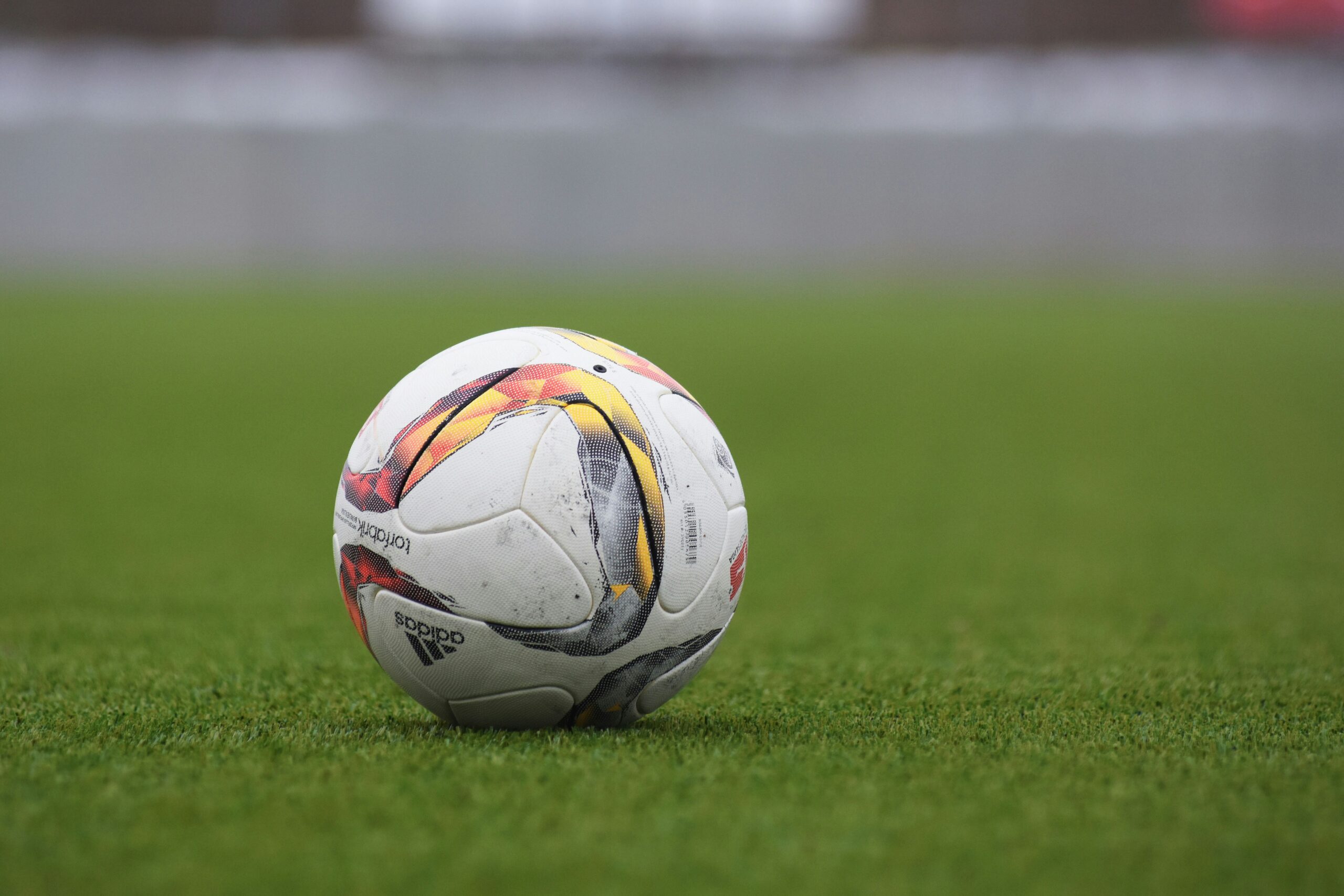
The upcoming FIFA World Cup accelerates a multi-million-dollar marketing sprint, and presents a gigantic opportunity in a primed domestic market. According to Nielsen, 56% of U.S. soccer fans attribute their surging interest directly to the arrival of the tournament, while 33% of the general population expects their fandom to grow during the event and beyond. But because live, in-game commercial real estate is limited over the course of a single soccer match, capitalizing on this momentum requires brands to execute far outside the boundaries of a traditional broadcast window by deploying physical and digital campaigns that re-think the 30-second spot long before the opening whistle blows.
Owning Audiences Amid Schedule Volatility
The World Cup presents a number of challenges for advertisers, one of them being the fact that soccer games provide few opportunities for commercial breaks, even with the inclusion of newly mandated hydration breaks. In addition, unlike domestic sports leagues with fixed, predictable primetime slots, a country’s progression through a World Cup dictates its place on the broadcast schedule. A high-profile national team might play a group-stage match at 11:00 a.m. on a Tuesday, pulling a modest daytime workspace audience. If they secure a dramatic win and advance, their next appearance instantly flips into a premium, high-density weekend primetime window.
Because television ad inventory costs and audience sizes fluctuate wildly with every single goal, brands cannot rely on live broadcast slots to deliver consistent reach. So they’re taking a number of approaches, including advertising around the games and building independent, always-on digital hubs to insulate themselves from this schedule volatility.
Driving Retail Foot Traffic Early
For instance, a major battle for consumer mindshare has been playing out on retail shelves and smartphone screens before the launch of the World Cup. Official tournament partner McDonald’s recently rolled out its global FIFA World Cup 26 Meal, anchored by a lineup of collectible cups featuring soccer stars like Christian Pulisic, David Beckham, Thierry Henry, and Lamine Yamal, alongside an appearance from mascot Grimace. McDonald’s is converting early tournament hype into restaurant foot traffic and app registrations well ahead of matchday by integrating these physical keepsakes with custom digital games unlocked through Happy Meal packaging.
Meanwhile, official mobility partner Hyundai is hitting the market with its integrated campaign, using both high-profile broadcast spots and experiential Fan Fests across major metropolitan hubs to showcase its robotics and next-generation vehicles.
Tearing Up the Legacy Playbook Online
Brands are also designing digital campaigns that double as interactive utility tools or utility-driven experiences. A case in point is Nike’s Rip the Script, whose cornerstone is a six-minute film. Nike is deploying it as the anchor for a decentralized network of digital channels designed to sustain fan engagement over a 12-week timeline. The campaign splits the main narrative into episodic, character-driven subplots dropped incrementally on TikTok and Instagram, while members of its 42-person cultural cast personally seed raw, Polaroid-style previews directly to their own social followers to pull distinct subcultures into the brand loop. Every one of these decentralized social media drops is hardwired into Nike’s proprietary retail app, converting real-time cultural relevance into immediate e-commerce traffic for exclusive product rollouts, lifestyle sneakers, and performance jersey kits throughout the tournament.
This decentralized approach aligns with a broader supply-side curation strategy tailored for an audience that primarily lives on secondary screens. Official snack sponsor Lay’s is executing a parallel track, anchoring its global “No Lay’s, No Game” push with “The Epic Watch Party” on WhatsApp. This custom-built channel features football legends driving real-time fan engagement, voice notes, and live banter.
Synchronizing the Digital Experience
The investment in digital moments, not traditional ad spots, should pay off on match day, when consumer attention splinters across multiple devices simultaneously. Second-screen habits peak among younger demographics. According to Nielsen, 83% of Gen Z soccer fans routinely use a smartphone or tablet while watching live sports. With more than half of those fans texting or browsing social media, and over 35% ordering food delivery while the match is on, a brand’s off-field presence must sync perfectly with the action on the pitch. When millions of viewers look down at their phones during a sudden break in play or right before a high-stakes penalty shoot-out, campaigns must be instantly ready to absorb that surge of mobile attention. Capturing these margins requires an immediate bridge between physical retail promotions and real-time digital execution across the entire tournament.
Advertising won’t be easy. But it promises to be rewarding.
Image source: Peter Glaser, Unsplash
